Designing Your Backyard Around How You Actually Live
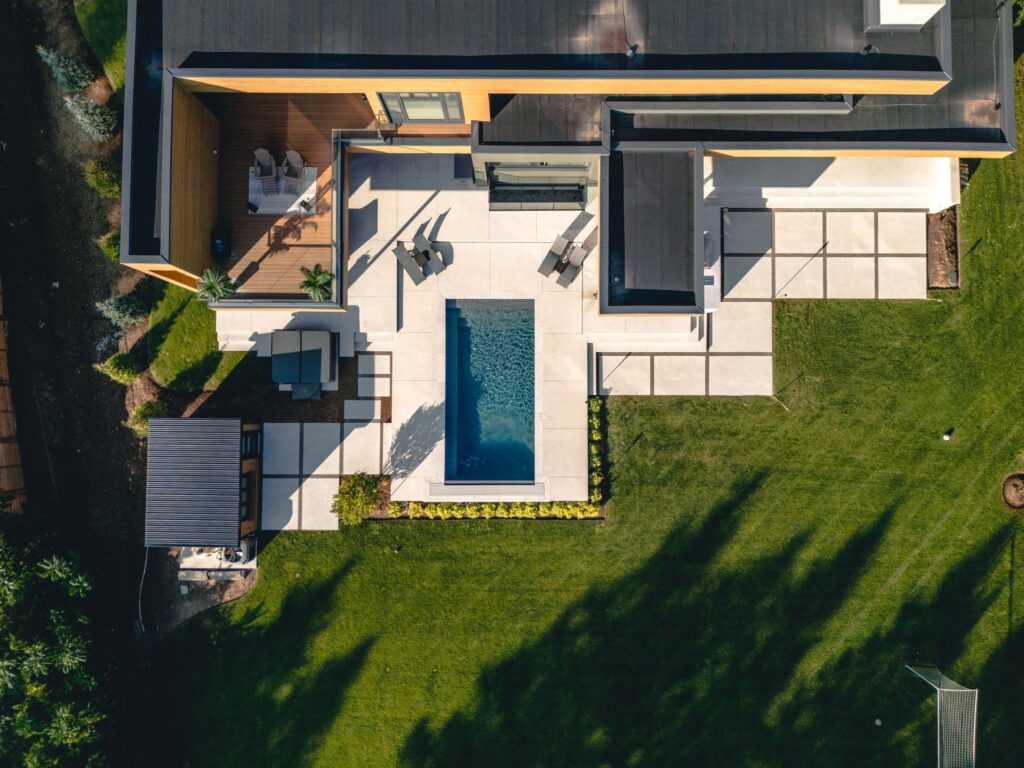
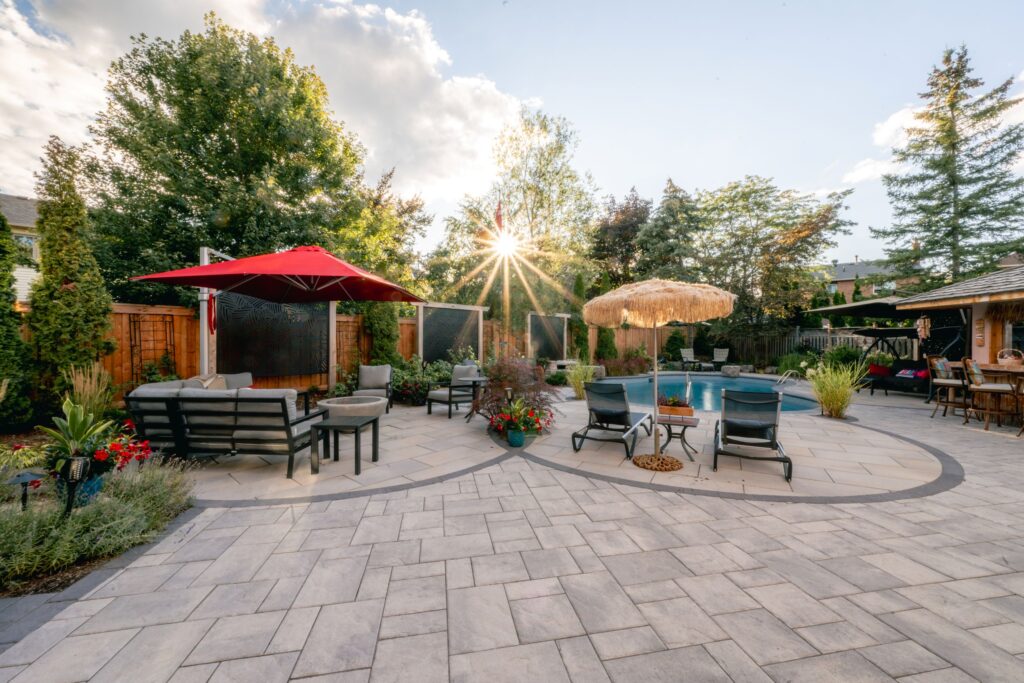
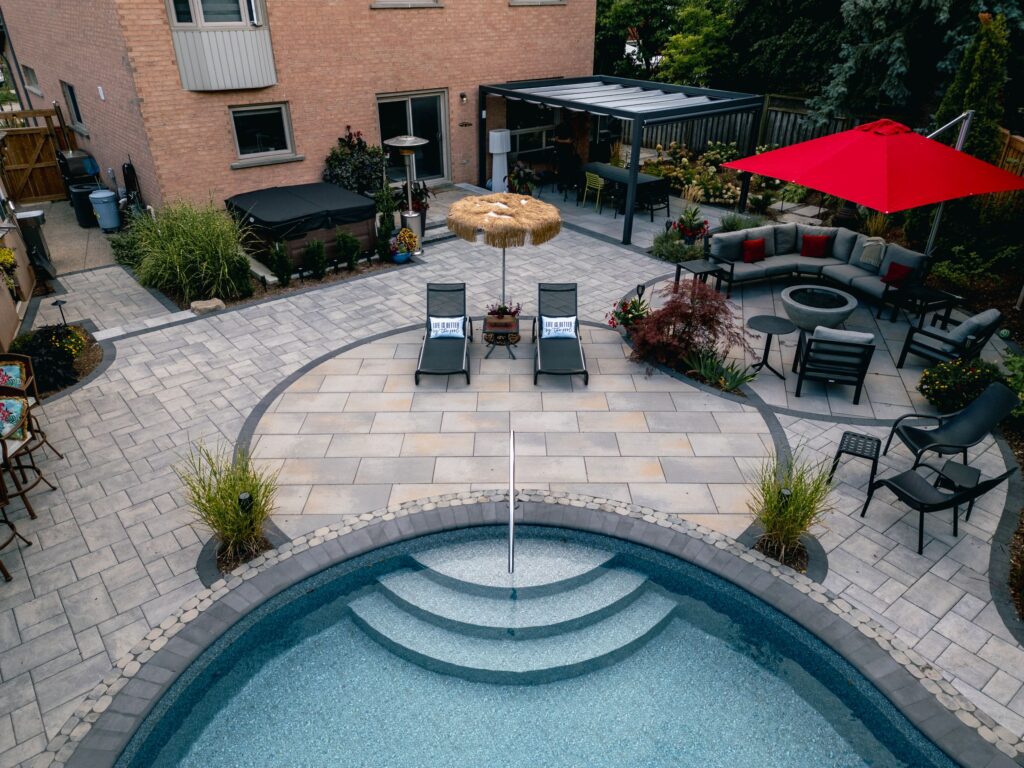
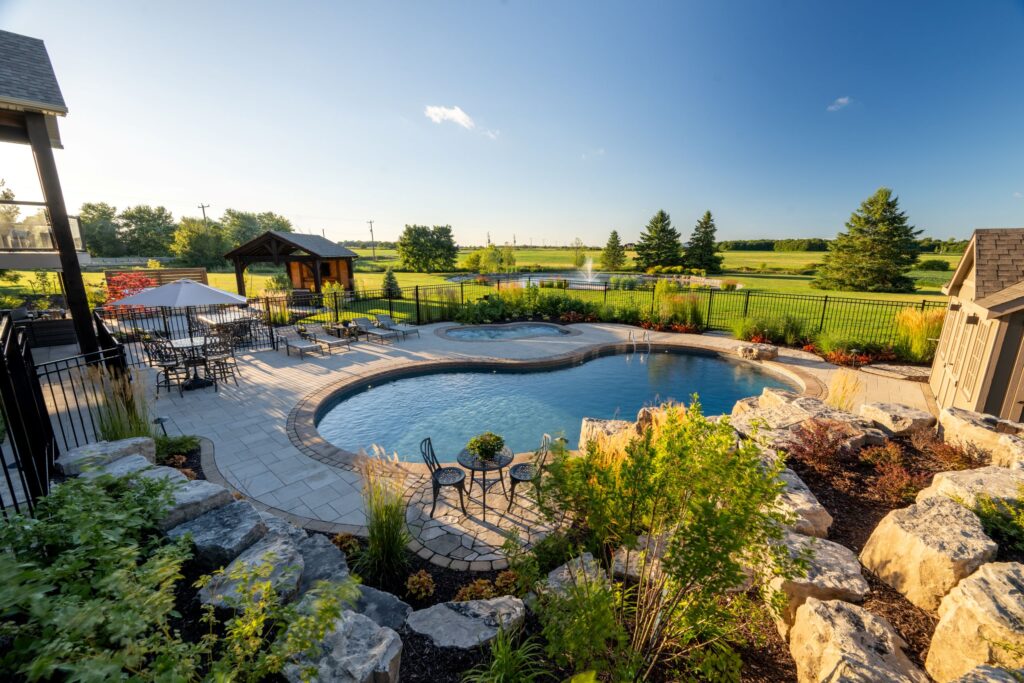
A beautiful backyard is great to look at, however your backyard designer should think about a lot more than just how things will look. The best outdoor spaces are the ones that actually get used. They fit the way a family lives, the way they entertain, the way they relax, and even the way they spend their weekends. That sounds obvious, but it’s easy to lose sight of when you start planning a landscape project. You see a great fire pit on Instagram, a beautiful outdoor kitchen, a pool you love, or a patio with a certain style of paver, and suddenly the project starts becoming a list of features.
There’s nothing wrong with any of those things. The question is whether they make sense for you. Before we start talking about materials, plants, patios or outdoor kitchens, I think it’s worth asking a much simpler question:
“How do you actually want to use your backyard?”
That answer should drive the design.
Start by Looking at How You Use Your Yard Now
Your existing backyard can tell you a lot about what your new one should look like.
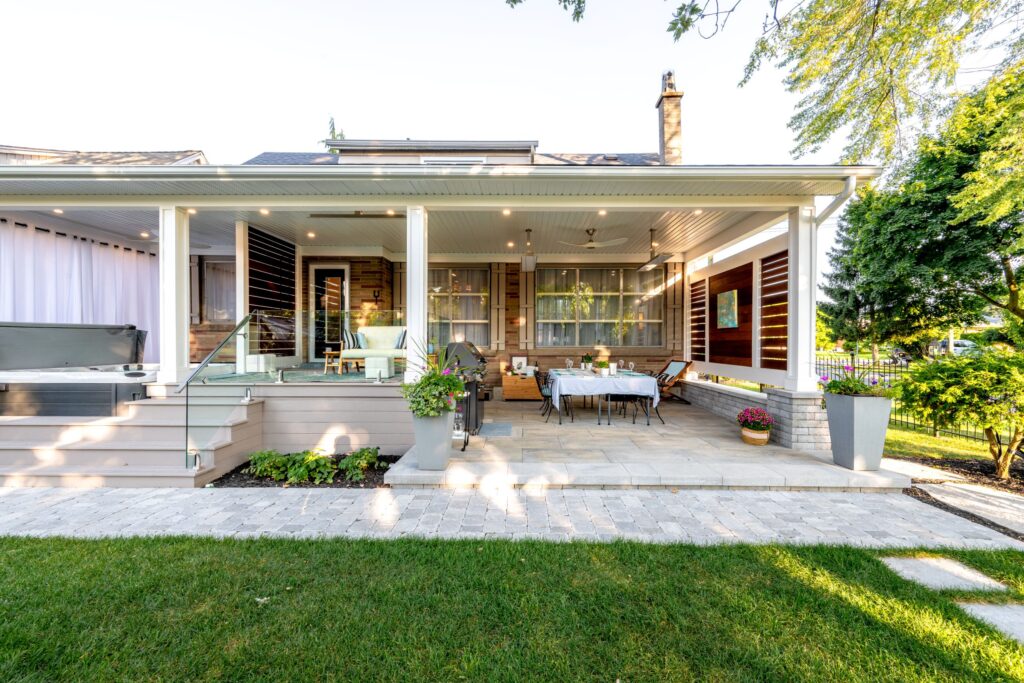
Think about how you use the space now. Where do you naturally spend time? Where do your kids play? Where do you sit when friends come over? Are there areas that never get used?
Maybe your patio is too small when you have people over. Maybe you have a large backyard but nowhere comfortable to sit. Maybe the space gets too hot in the afternoon because there’s no shade. Or maybe the layout simply doesn’t flow very well.
Those are important things to pay attention to.
I find that the best designs come from understanding what is already working, what isn’t, and why. You don’t necessarily need to reinvent everything. Sometimes you just need to solve the issues that are preventing you from enjoying the space.
Start With Lifestyle, Not Features
It’s really easy to start a landscape project by making a wish list.
“We want a fire pit.”
“We want an outdoor kitchen.”
“We want a pool.”
“We want a big patio.”
Those are all great starting points, but they don’t tell us why you want them.
Maybe you want the fire pit because you like having friends over on summer evenings. Maybe the outdoor kitchen is important because you cook outside three or four nights a week. Maybe you need a large open lawn because your kids are constantly playing sports.
Those reasons are much more useful when we’re designing the space.
A family that loves entertaining 20 people on a Saturday night is going to have very different needs than a couple who wants somewhere quiet to have a coffee in the morning.
The design should reflect that.
Think of the Backyard as a Collection of Spaces
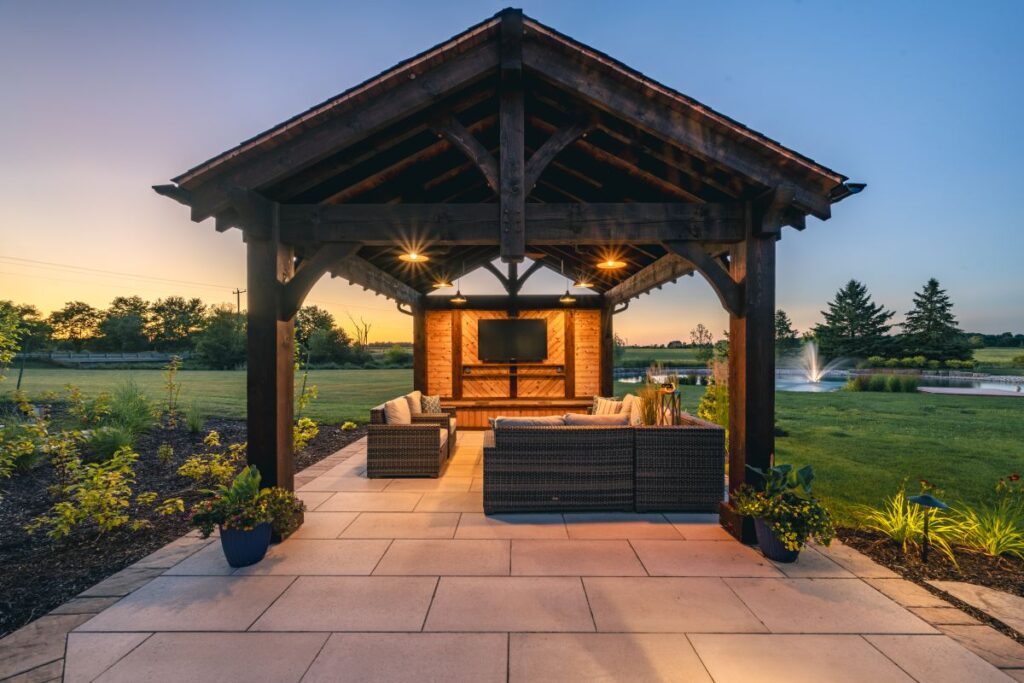
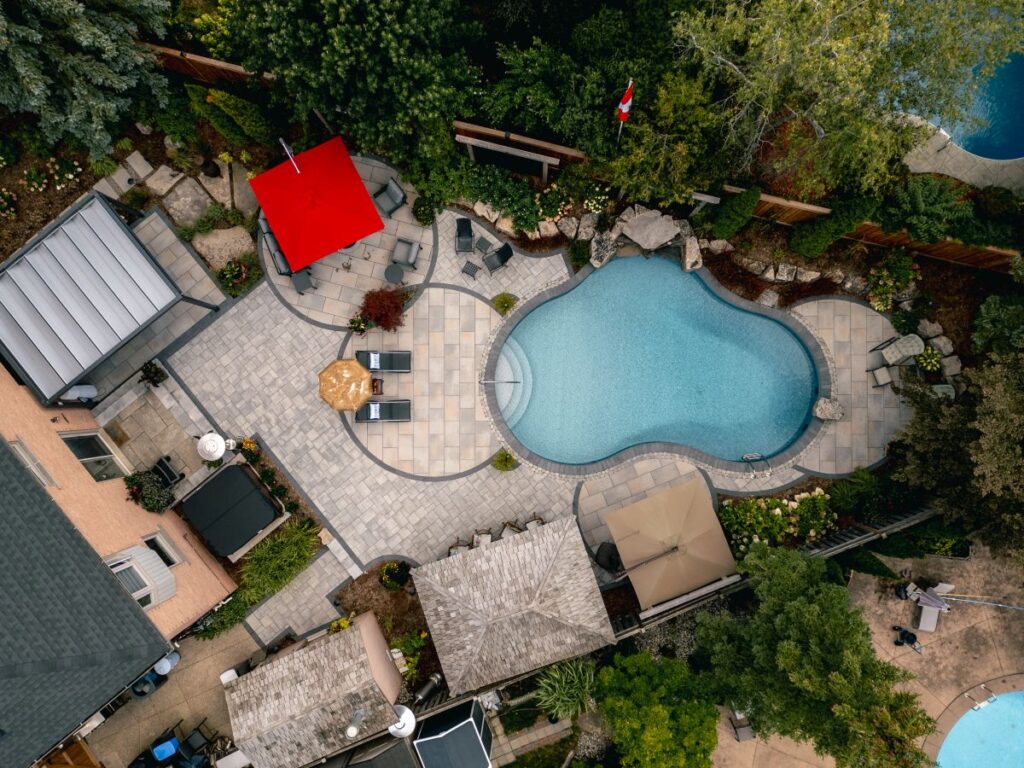
One of the key philosophies of a well-designed backyard is that it doesn’t have to be one big open space.
Think about your home. You have a kitchen for cooking, a dining room for eating, a living room for relaxing and bedrooms for getting away from everything.
Your backyard can work the same way.
You might have:
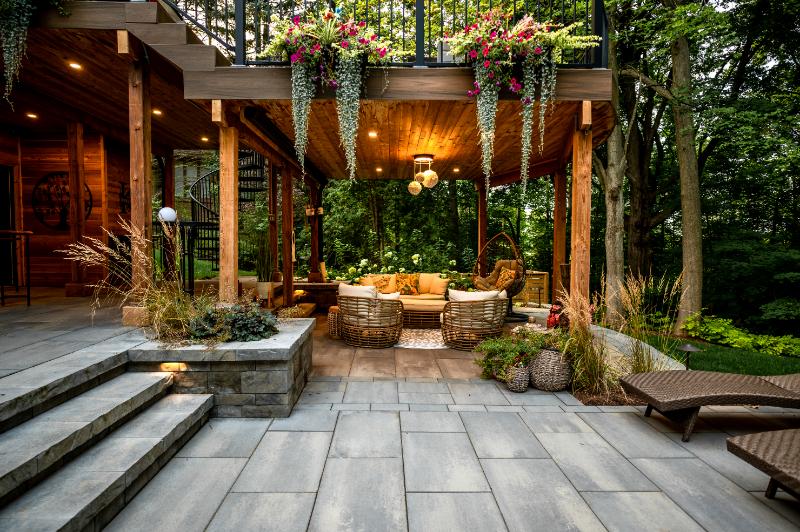
- A dining and entertaining area
- A comfortable lounge space
- An outdoor kitchen or bar
- An open area for kids or recreation
- A quieter garden or sitting area
- A pool and surrounding space for relaxing
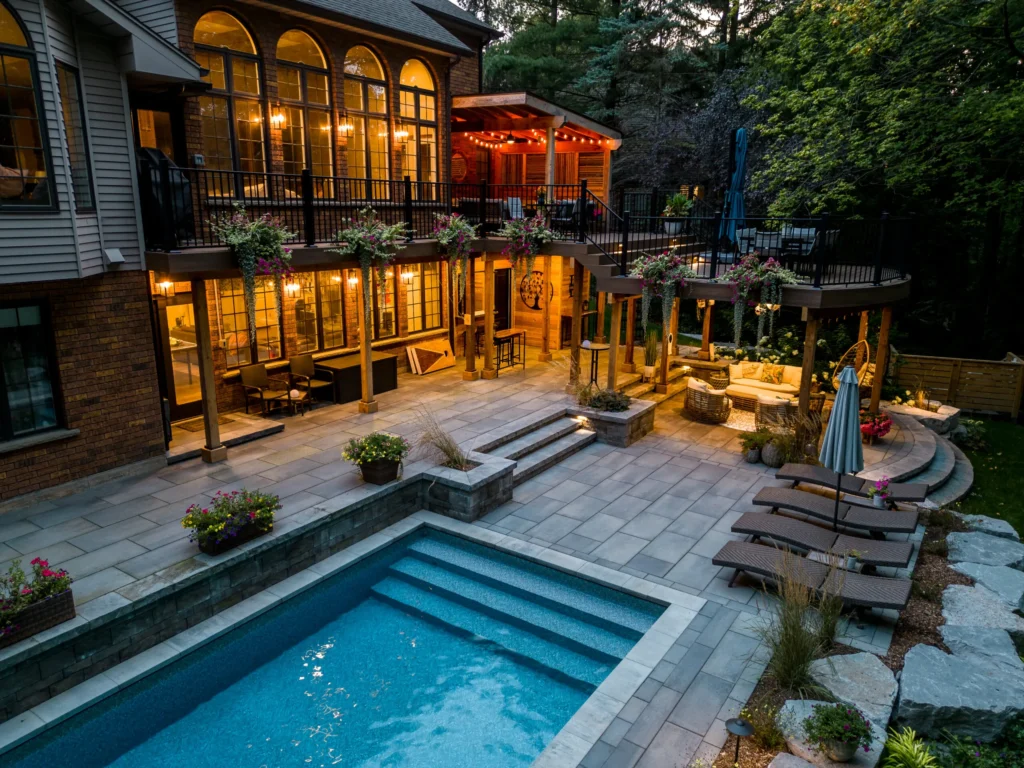
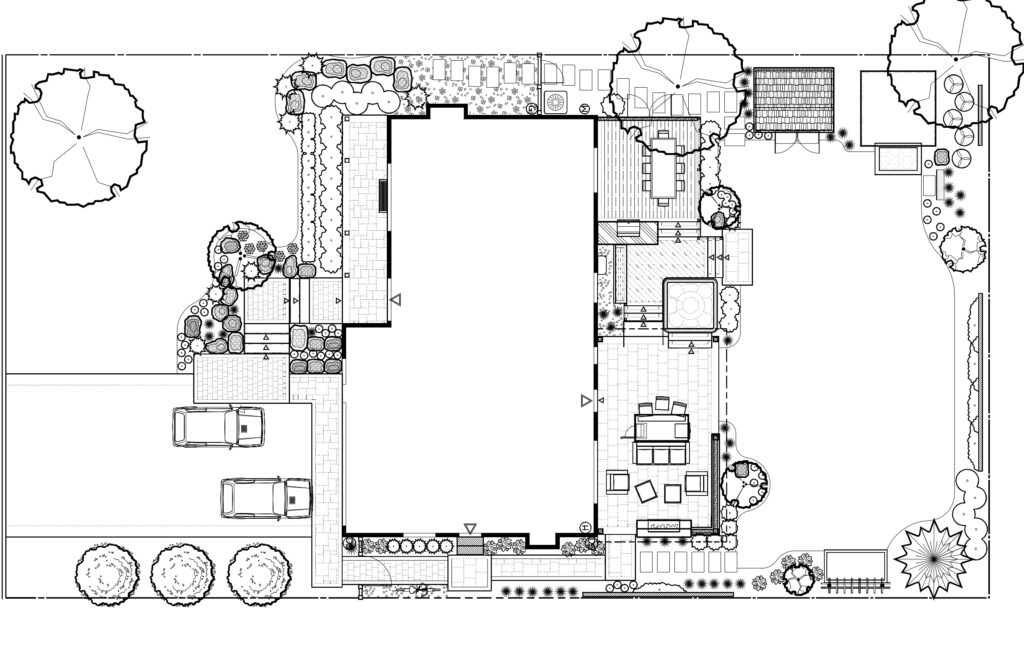
These spaces don’t need to be separated by walls. Changes in paving, planting, elevation, lighting or even the placement of furniture can create a sense of separation while still making the entire backyard feel connected.
And this isn’t just for large properties. Even a smaller backyard can feel much more functional when each area has a purpose.
Think About Who Is Actually Using It
A backyard should be designed around the people who are going to use it most.
If you have young kids, you might want plenty of open space and materials that can handle a little abuse.
If you have a dog, you probably don’t want a landscape that looks great but can’t handle muddy paws and daily traffic.
If you entertain regularly, comfortable seating, lighting, food preparation and circulation become much more important.
And don’t forget that your needs will probably change.
Kids get older. Families change. Entertaining habits change. What works perfectly today might not be what you need 10 years from now.
That doesn’t mean you need to design everything around some hypothetical future. It just means it’s worth thinking beyond the next summer.
Don’t Forget About Function
I love a beautiful landscape as much as anyone. But some of the most impressive-looking backyards aren’t necessarily the ones people enjoy the most.
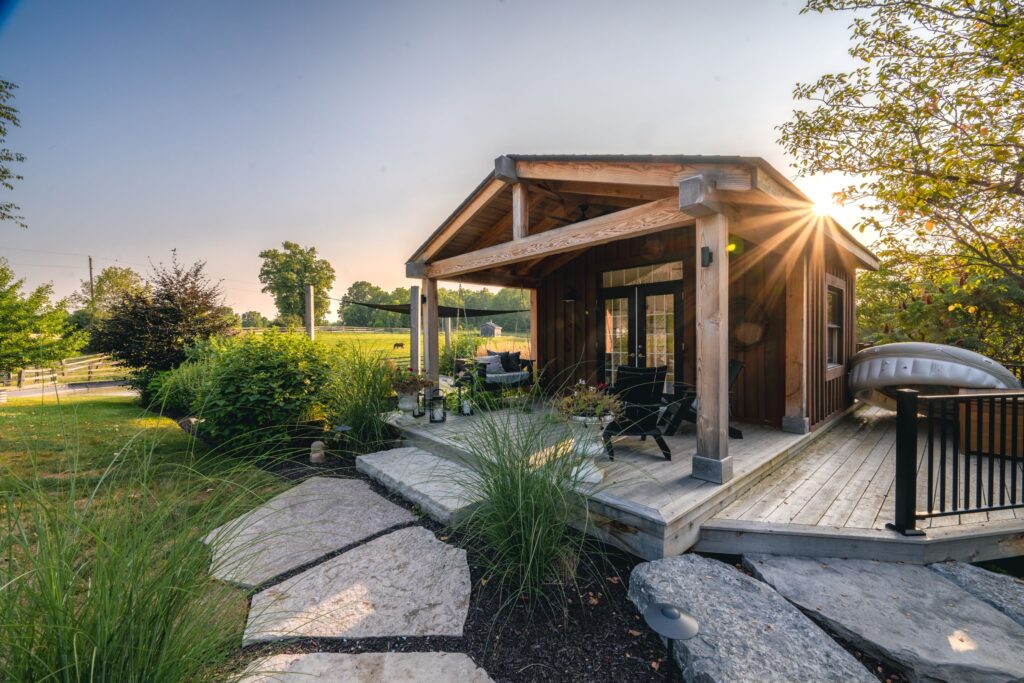
A backyard needs to work.
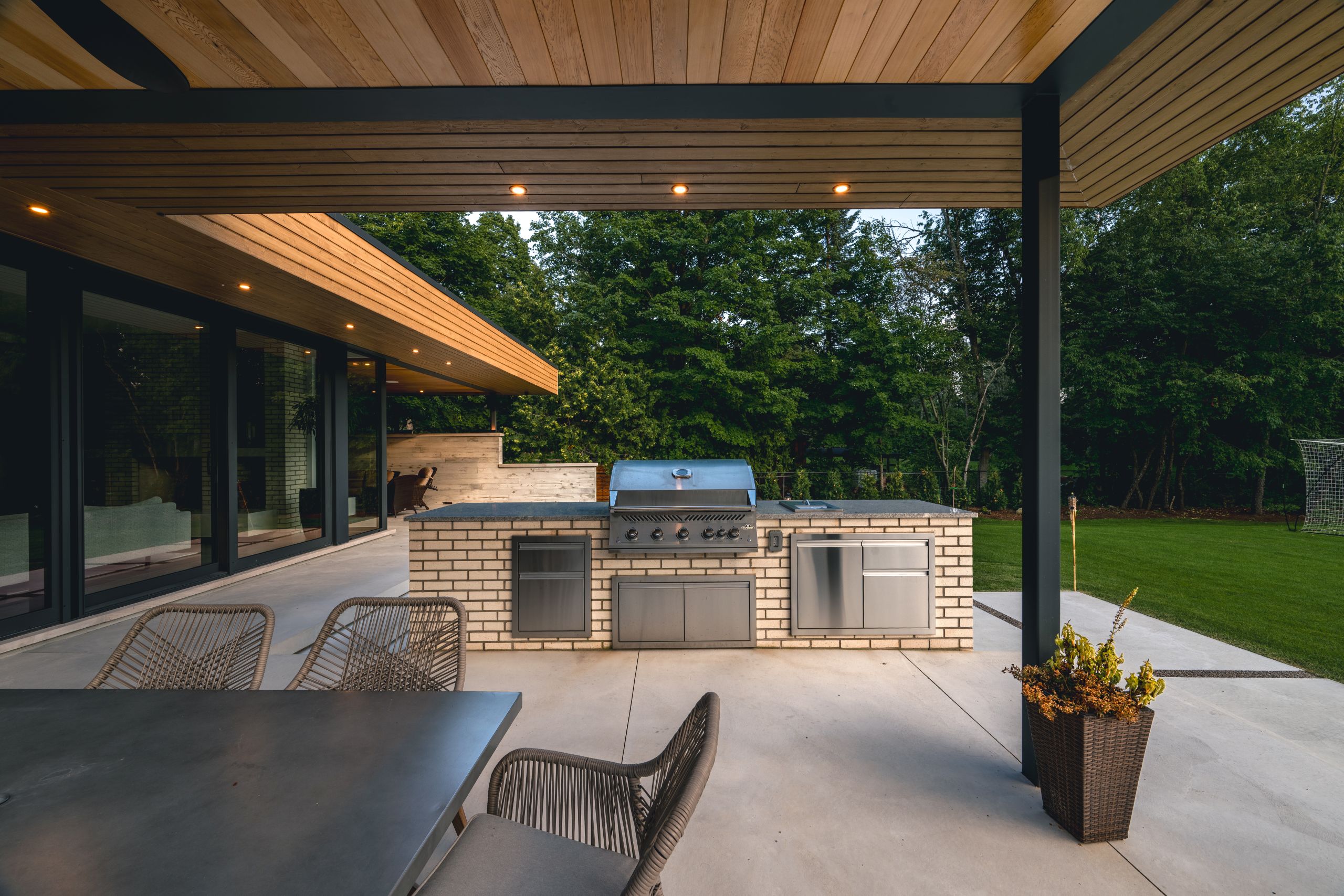
Can you comfortably get from the house to the pool? Is there somewhere to put a drink when you’re sitting outside? Do you have enough shade? Can people move around the outdoor kitchen without running into each other? Is there somewhere to sit that isn’t in the direct afternoon sun?
These things may not be the most exciting part of the design process, but they’re often the things you’ll appreciate the most once the project is finished.
Good design is usually about getting those details right.
Choose Features That You’ll Actually Use
Once you understand how you want to use the space, the features become much easier to choose.
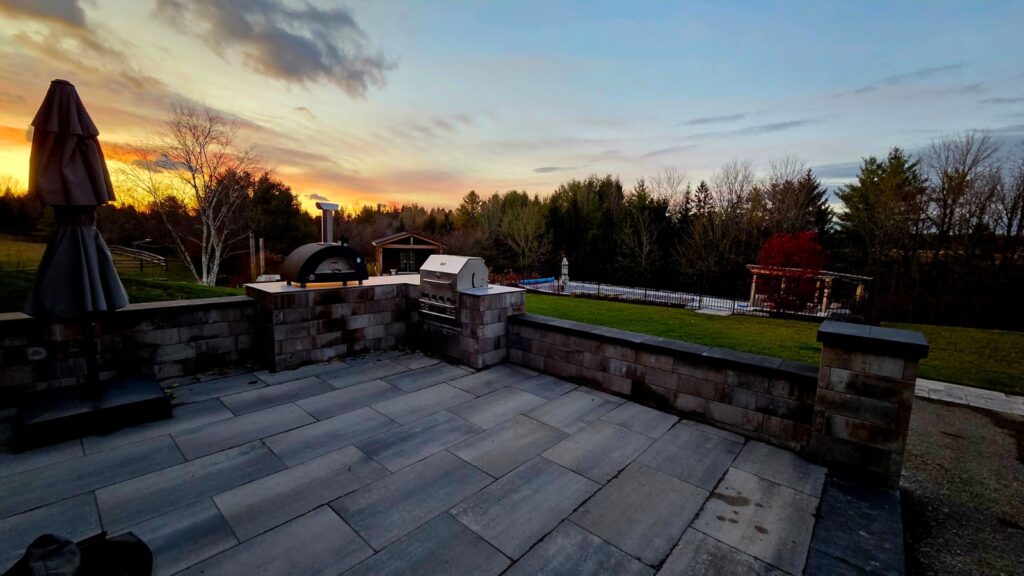
A fire pit makes sense if you love sitting outside with friends in the evening.
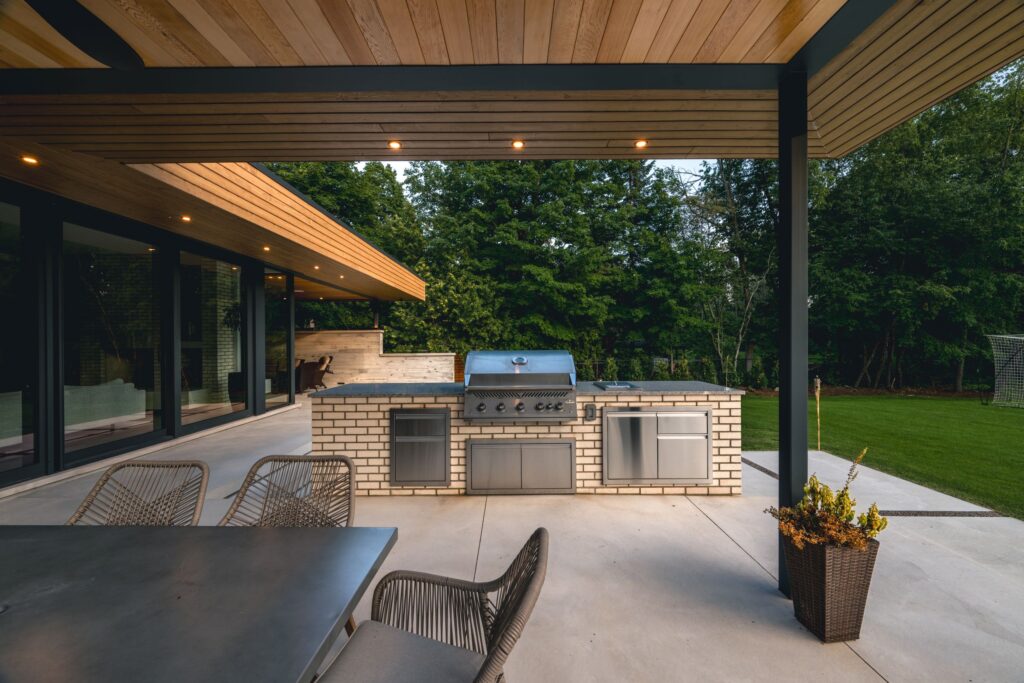
An outdoor kitchen makes sense if you’re someone who spends a lot of time cooking and entertaining outside.
A shade structure can make a huge difference if you want to use your backyard during the hottest part of the day.
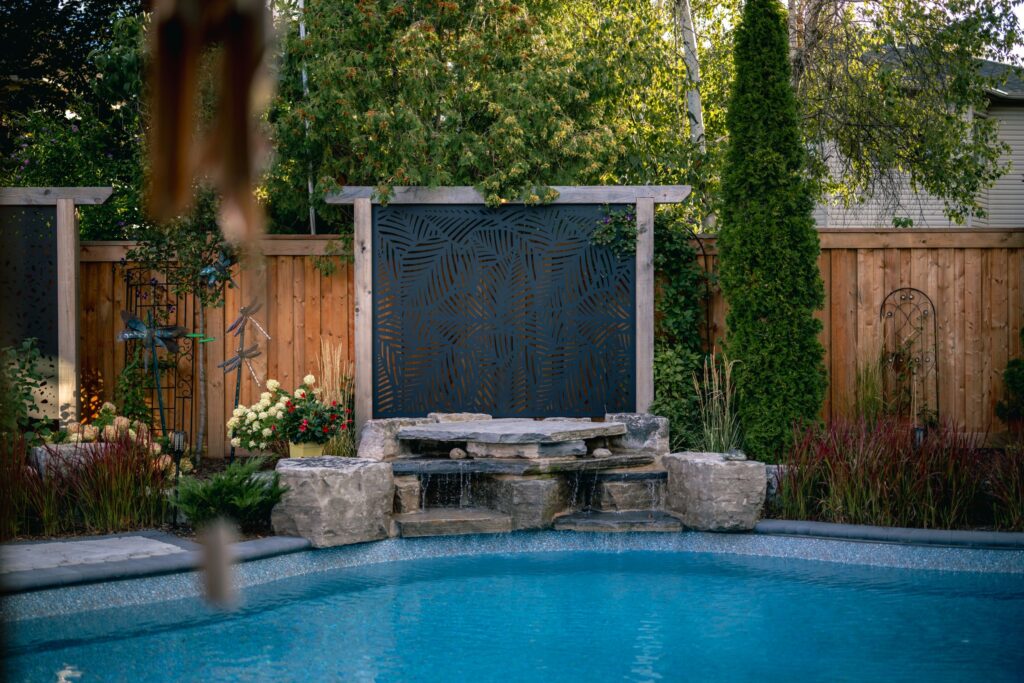
A water feature might be perfect if you’re looking to create a quieter, more relaxing environment.
The point isn’t to put every possible feature into your backyard.
It’s to choose the right features for you.
I’ve seen plenty of projects where homeowners try to fit too much into a space simply because they like all of the individual elements. The end result can actually be less enjoyable because there isn’t enough room for everything to function properly.
Sometimes, less really is more.
Think About Maintenance Before You Build
This is another one that can be easy to overlook when you’re excited about the design.
Ask yourself how much time you actually want to spend maintaining your backyard.
Some people love gardening. They enjoy pruning, planting, watering and looking after their landscape.
Others would rather spend their Saturday morning sitting outside with a coffee than pulling weeds.
Neither is right or wrong. The important thing is that the landscape reflects that.
Plant choices, irrigation, paving materials and garden design can all have an impact on how much maintenance a property requires.
A landscape shouldn’t just look great on the day we finish it. It should still work for you five, ten and fifteen years down the road.
Design the Backyard You Actually Want to Live In
At the end of the day, I don’t think the goal of a landscape project should be to create the backyard that looks the best in a magazine.
It should be to create the backyard that you want to spend time in.
Maybe that’s a place where your entire family can hang out on a Saturday afternoon. Maybe it’s where you entertain friends all summer. Maybe it’s a quiet space to sit with a coffee in the morning. Or maybe it’s a little bit of all of those things.
That’s what good landscape design is really about.
The features, materials and plants are important, but they’re only part of the equation.
Start with how you live. Then design around it.
That’s the approach we take at Maple Ridge Living. We want to understand how you and your family actually use your home, what is important to you, and what you want your outdoor space to become.
Because at the end of the project, we’re not just building a landscape.
We’re building a place where you get to live.
This is Living.