Is a renovation worth it?

When a home no longer feels like the right fit, many homeowners come to face a familiar question: Should we renovate, build an addition, or move?
There isn’t one right answer. Your best option will depend on how well your current home meets your needs, what changes are possible, and how the costs compare with your alternatives.
For many homeowners, a renovation can be a practical way to improve the home without giving up the location, community, or features they already enjoy.

Start with what isn’t working
Before thinking about finishes, cabinets, or floor plans, consider what you want to change about everyday life at home.
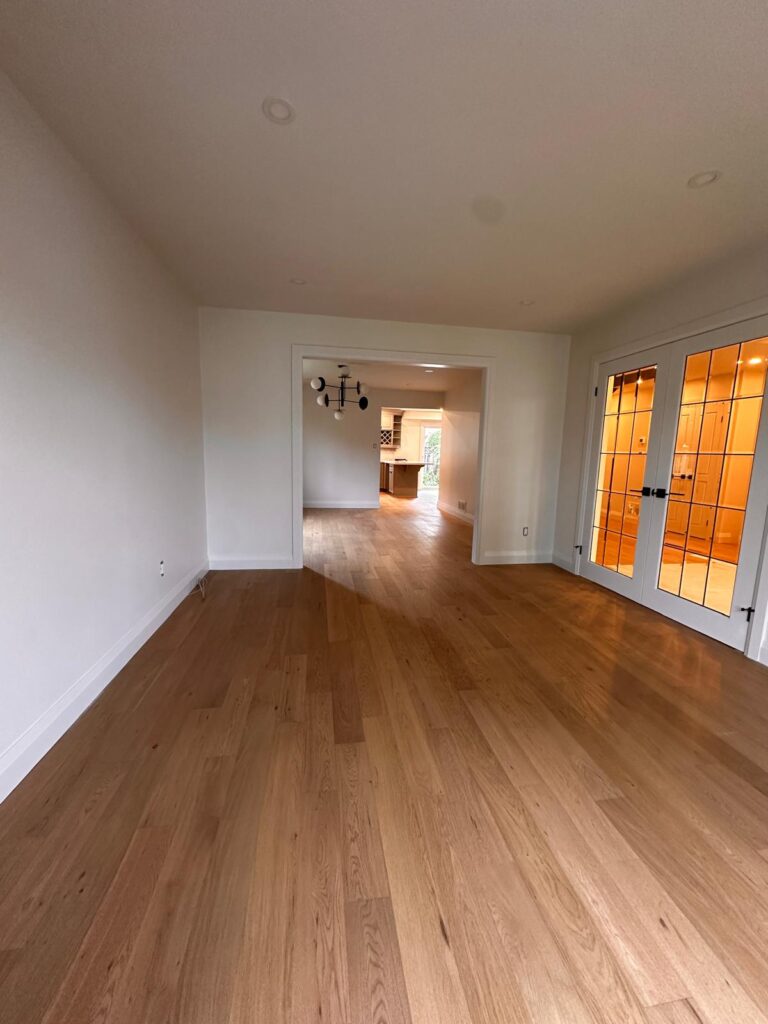
Perhaps the main floor feels closed off, lacks storage, or doesn’t provide enough room for cooking, entertaining, or spending time together. Sometimes relatively simple changes to the layout can make a home feel significantly more functional. Addressing these items allows you, as the homeowner, to keep the location or property you value while updating and improving older spaces.
The important question is whether the problems are fixable within the existing home. If they are, renovating is worth exploring.
Renovate, Add or Move?
A renovation isn’t always the best solution. If you need substantially more space, an addition could provide the extra square footage without requiring a move. Even a small addition with an interior renovation can greatly improve a home’s functionality. On the other hand, if the home’s location, lot, size, or overall layout no longer suits your long-term plans, moving may make more sense. Think about the decision in terms of what you’re trying to achieve:
- Renovating can improve an existing layout and modernize the space.
- Adding on can address a genuine shortage of square footage.
- Moving can provide a more fundamental change when the current property has limitations that are difficult or expensive to overcome.
Taking the time to compare these options can prevent you from investing heavily in a home that still won’t meet your needs.


Consider the Value Beyond Resale
Return on investment is an important part of any major home improvement, but resale value isn’t the only measure of whether a renovation is worthwhile. A renovation can provide years of enjoyment and make everyday life easier. Better functionality, improved storage, more usable rooms, and a layout that suits your household can all have significant value. From a resale perspective, improvements that are broadly appealing and appropriate for the home and neighbourhood are generally easier to justify than highly personalized upgrades. It’s also important to have realistic expectations about how much of the renovation cost you may recover when you eventually sell.
The goal isn’t necessarily to maximize resale value. It’s to make a sensible investment in a home that works better for you.
Be Prepared for the Construction Process
The finished renovation may be exciting, but getting there can be disruptive. Depending on the scope of the work, you could be without a functional kitchen, lose access to parts of the main floor, or need to adjust your normal routines for several weeks or months.
Before committing, consider how construction will affect your household. Ask about the expected timeline, which areas will be affected, and whether temporary living arrangements might be necessary. It’s also wise to leave room in both your budget and schedule for unexpected issues. Good planning can make the process more manageable.

Making the right Choice
A main floor renovation can be a worthwhile investment when it solves meaningful problems without creating new financial ones.
Start with your priorities, understand what your home can realistically accommodate, and compare the cost of renovating with the cost of adding space or moving. A good renovation should make sense not only on paper, but also for the way you want to live.
Sometimes the best home isn’t a new one. It may simply be the home you already have, thoughtfully updated to suit the next stage of your life.